Understanding Ridge Capping: Importance, Methods, and Benefits
10/22/20252 min read
What is Ridge Capping?
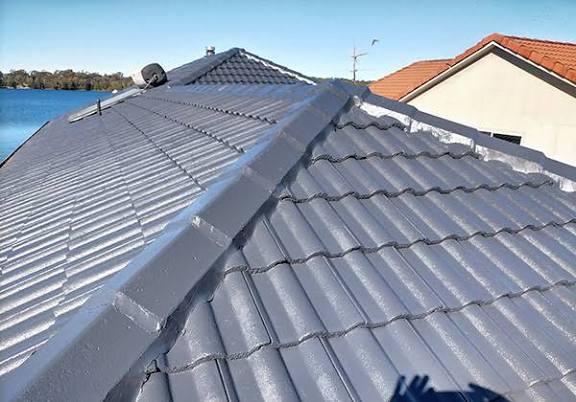
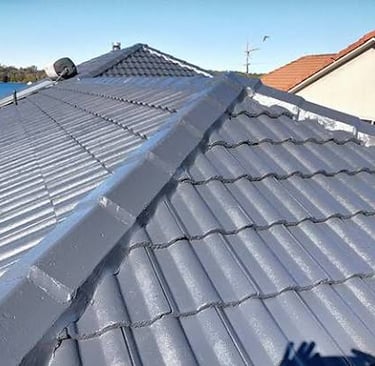
Ridge capping refers to the process of covering the ridges of a roof with specially designed materials, commonly tiles or metal sheets, to enhance the structure's overall integrity and visual appeal. This roofing technique serves as a vital component that prevents water infiltration and protects the vulnerable joints of the roof structure. By effectively sealing the ridge, homeowners can ensure prolonged durability and superior performance of their roof.
The Importance of Ridge Capping
Ridge capping is crucial for several reasons. First and foremost, it acts as a protective measure against various weather conditions, including heavy rain, strong winds, and even snow in certain regions. Without a properly installed ridge cap, these elements can penetrate the joints, leading to leaks and potential damage to the roofing framework.
Additionally, ridge capping offers aesthetic benefits, contributing to the overall architecture of the home. A well-installed ridge cap can enhance the visual lines of the roof, providing a finished look that complements the style of the property. Homeowners should consider the material and color of the ridge capping to ensure it harmonizes with the existing roofing system.
Methods of Installing Ridge Capping
The installation of ridge capping can vary depending on the roofing material and design preferences. Common methods include:
- Cement Mortar Method: This traditional approach involves applying a cement mix under the ridge tiles. It provides excellent durability and strength, making it suitable for various weather conditions.
- Clip Fastening: Often utilized with metal roofing, this method involves securing the ridge caps with clips that hold them in place without the need for cement. This technique allows for easier adjustments and repairs in the future.
- Self-Adhesive Caps: Some modern roofing systems now use self-adhesive ridge caps, which are designed for quick and easy installation. These caps typically come with a waterproof backing that improves their effectiveness against leaks.
Overall, regardless of the method chosen, it is vital to ensure that the ridge capping is installed correctly. Engaging a professional roofer familiar with the specific techniques and requirements is essential for achieving the best results.
Benefits of Quality Ridge Capping
Investing in quality ridge capping provides significant long-term benefits. Firstly, it significantly extends the lifespan of the roof by minimizing the risk of leaks and structural damage. Consequently, this maintenance can lead to substantial cost savings, avoiding the often high expenses associated with roof repairs and replacements.
Moreover, a robust ridge capping enhances energy efficiency, as a sound roofing system helps maintain regulated indoor temperatures. This can contribute to lower energy bills, promoting a more sustainable and cost-effective living environment. Overall, ridge capping is an investment that ensures both protection and aesthetic appeal for your home.
Values
✔ Quality | 🤝 Integrity | 👷 Professionalism | 🛡 Safety | 🌿 Responsibility | 💯 Satisfaction Guaranteed
Transform Your Property, Contact Now!